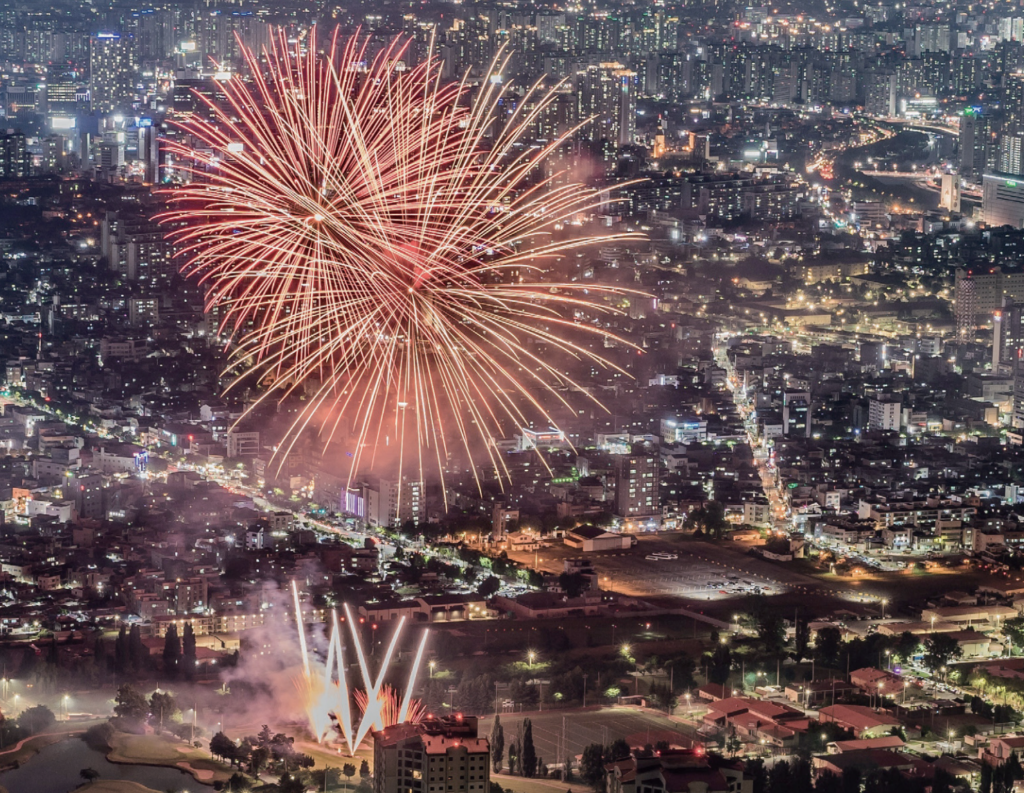
And every summer, without fail, I question
that decision.
Welcome to Daegu — Korea’s answer to the Sahara.
Daegu: The Basics
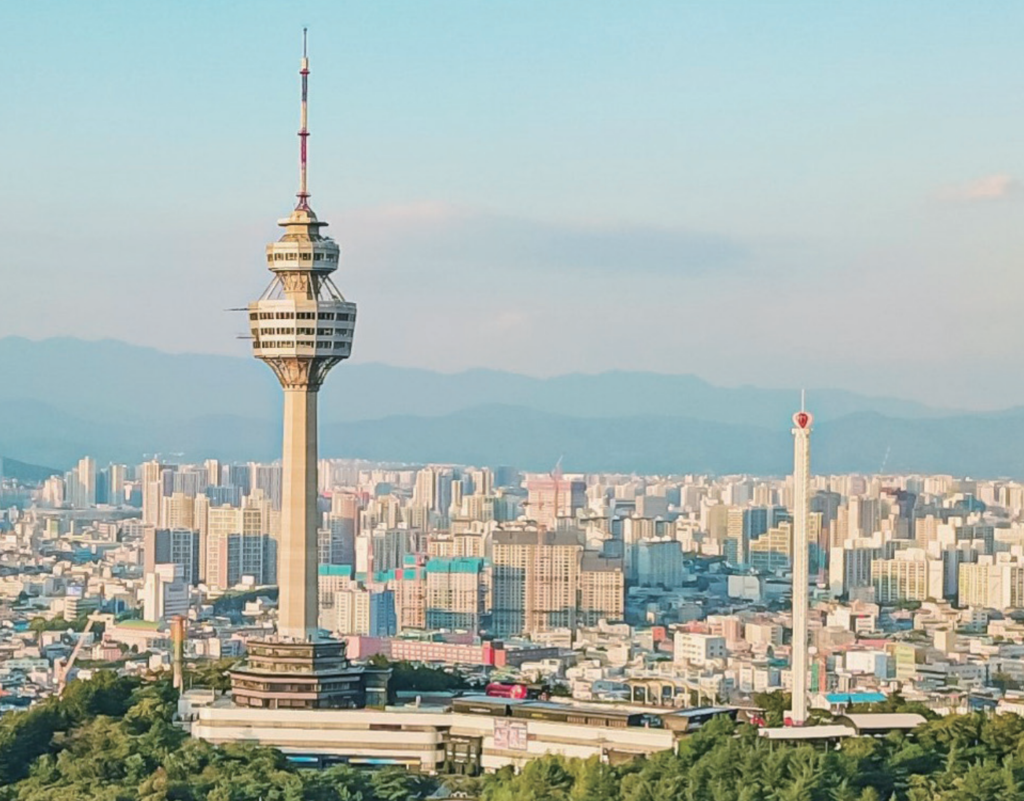
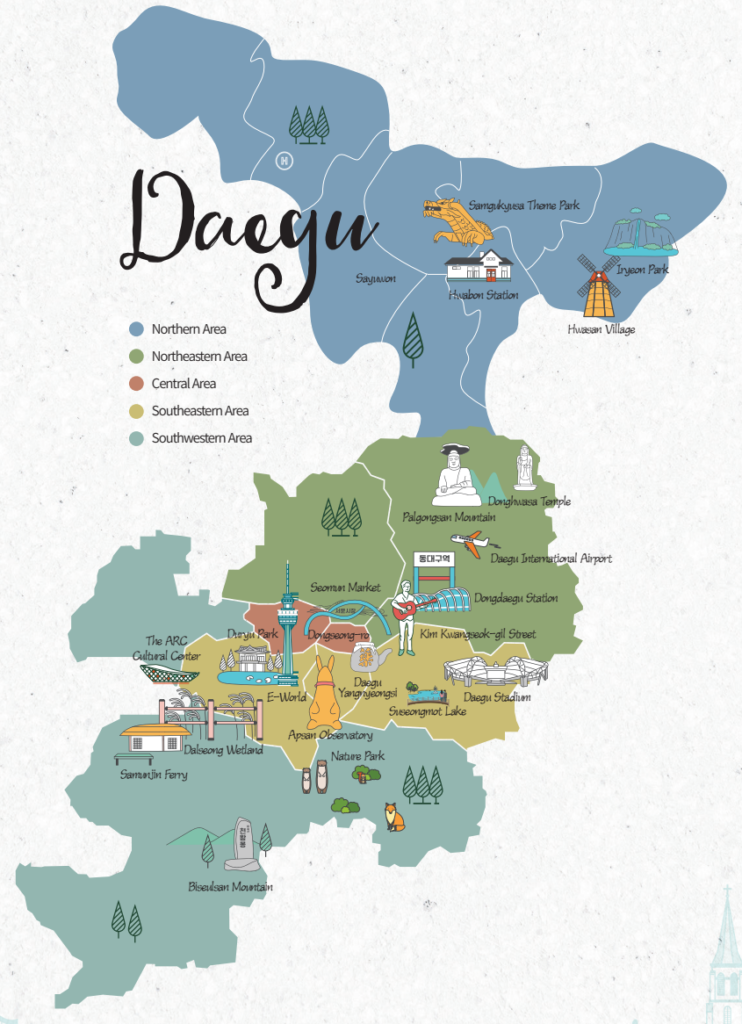
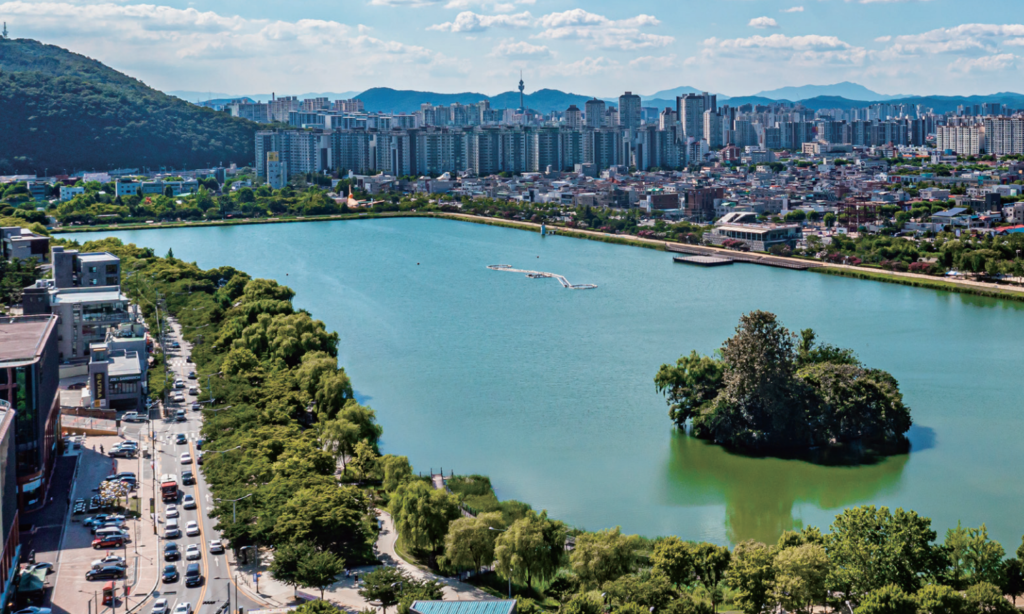
Daegu (대구) is a city in the southeastern
interior of South Korea, and it’s been my home
my entire life.
By population, it’s the third-largest urban
agglomeration in Korea after Seoul and Busan —
with approximately 2.34 million residents as of 2026.
By area, it’s actually 2.5 times larger than Seoul —
though much of that land is mountains and farmland
rather than city.
The city has a long history. In ancient times,
it was part of the Silla Kingdom. During the
Korean War, it sat inside the Pusan Perimeter
and remained in South Korean hands throughout
the conflict. Today, it’s a modern, well-connected
city — but it’s most famous for something
entirely more uncomfortable.
The heat.
Daefrica: Yes, That’s a Real Nickname
Korea sits in northeastern Asia, so most people
assume the climate is cool and mild.
Wrong.
Korean summers are brutal — hot, intensely humid,
and relentless. And within Korea, no city is
more notorious than Daegu.
The city sits in a basin surrounded by mountains,
which traps heat and prevents cooling breezes
from reaching the city center. The result is
a summer that feels like someone left the
oven on and forgot to open a window.
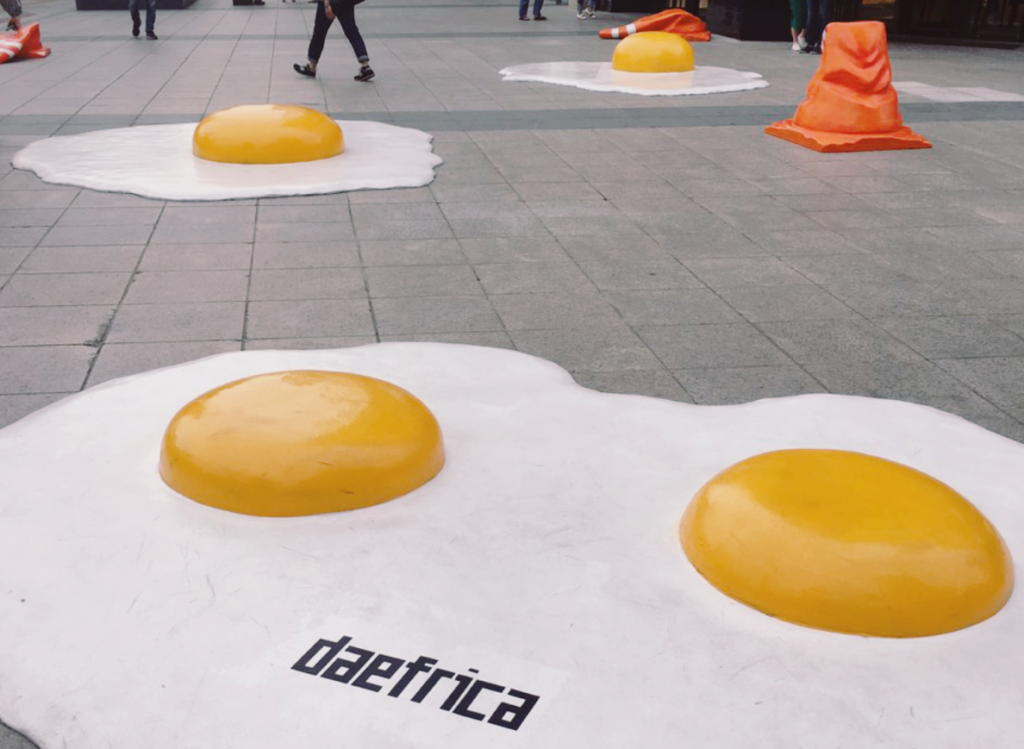
Daegu’s nickname? Daefrica.
Daegu + Africa = Daefrica.
Yes, that’s how hot it gets.
Locals joke about it. Visitors are shocked by it.
And the Korean Uncle writing this post has
sweated through more summers here than
he’d like to count.
If you plan to visit Korea in summer —
June through August — and you’re coming to Daegu,
prepare accordingly.
The Chimaek Festival: Making Peace With the Heat
Here’s the thing about Daegu summers:
the locals have found the perfect solution.
Fried chicken. Cold beer. Outside.
In the heat. Together.
This is chimaek (치맥) — a portmanteau of
chicken (치킨) and maekju (맥주, the Korean word
for beer). And every summer, Daegu hosts the
Daegu Chimaek Festival — one of Korea’s most
beloved food festivals.
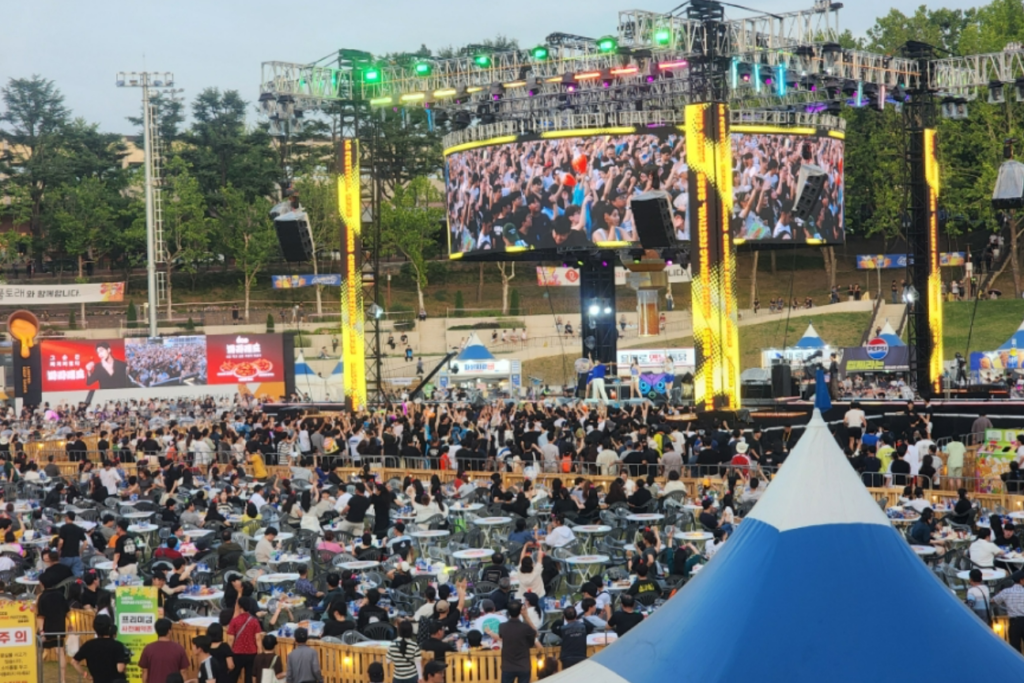
The festival takes place every July at Duryu Park
in Daegu, running for five days from evening
until late night. In 2024, it attracted over
one million visitors.
Here’s what makes it special: it’s not just
about eating. There’s live music, EDM parties,
K-pop performances, and a uniquely Korean touch —
the Chimac Ice Pub, where you can sit with your
feet in ice-cold water while eating fried chicken
and drinking beer.
Yes. Feet in ice water. Fried chicken. Cold beer.
The Daegu solution to the Daegu problem.
It works surprisingly well.
And here’s a fun fact — Daegu is actually
the birthplace of some of Korea’s most famous
fried chicken brands, including Kyochon Chicken.
The city has deep roots in the chicken industry
going back to the post-Korean War era, when
the local poultry market flourished.
The Food Scene
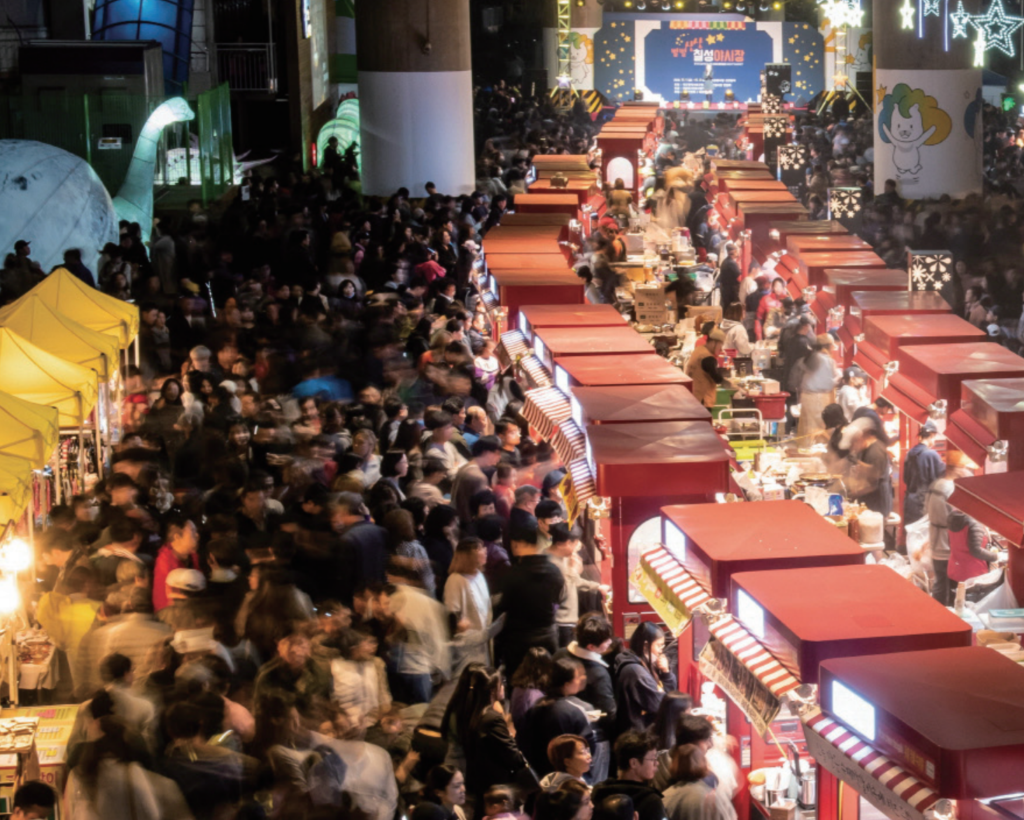
Daegu has developed a reputation as one of
Korea’s best cities for food.
The local cuisine tends to be bold —
rich, salty, and spicy. The theory goes that
the hot climate historically required more salt
for preservation, which shaped the flavors
of the region over generations.
But it’s not all intense flavors.
Daegu simply has a lot of good restaurants —
from traditional Korean comfort food to
modern twists on local classics.
If you ask Koreans which city they’d visit
just to eat, Daegu comes up often.
The KTX Route: Seoul → Daegu → Busan
Here’s a travel tip from your local uncle.
Korea’s high-speed rail network (KTX) connects
Seoul, Daegu, and Busan on one of the most
efficient train routes in Asia.
Seoul → Daegu: approximately 1 hour 40 minutes
Daegu → Busan: approximately 40 minutes
That means you can cover three of Korea’s
most distinct cities in a single day if you
want to — or take it slow and spend a night
in each.
Seoul for the big city energy.
Daegu for the heat, the food, and the local experience.
Busan for the sea, the beaches, and the seafood.
It’s one of the best travel itineraries in Korea,
and most tourists never think to include Daegu.
That’s their loss.
Korean Uncle’s Take
I’ve lived in Daegu my whole life.
I know every complaint about it by heart.
Yes, it’s too hot in summer.
Yes, the population is shrinking as people
move to Seoul.
Yes, it’s quieter than it used to be.
But it’s also real. Unpolished.
Genuinely Korean in a way that the tourist
districts of Seoul sometimes aren’t.
The food is honest. The people are direct.
And in July, when you’re sitting at the
Chimaek Festival with cold beer in your hand
and ice water around your feet, watching
the city light up around you —
It’s not a bad place to be from.
See you in the next post,
Korean Uncle 🇰🇷
(Born and raised in Daefrica 🔥)